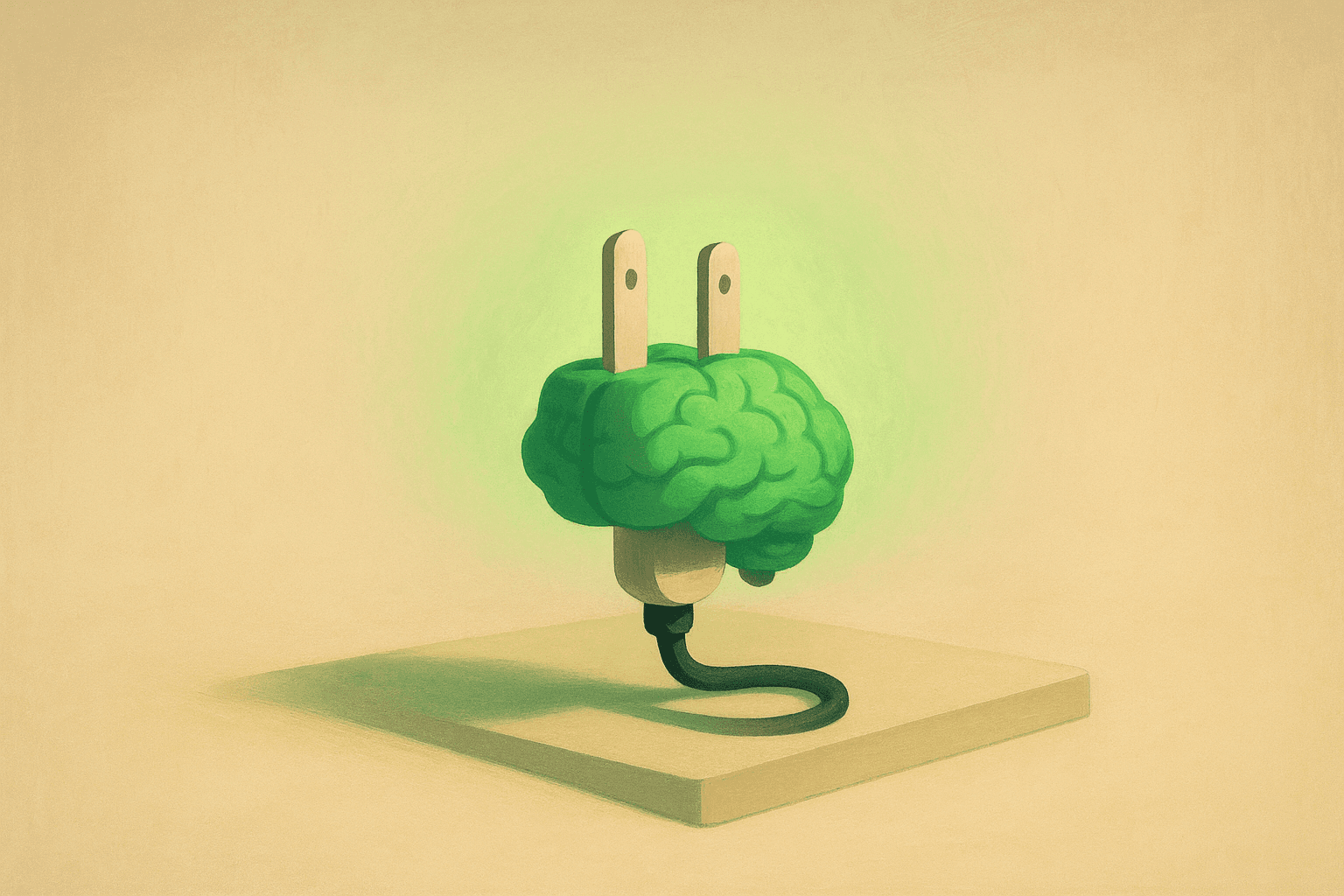
Wabi-sabi productivity uses the 800-year-old Japanese philosophy of imperfect, impermanent, and incomplete things as a counter to perfectionism-driven burnout. It means shipping real work instead of ideal work, finding value in the 2-hour focus session on a hard day instead of guilt-tripping yourself for missing the 8-hour target, and building a practice around honest effort rather than flawless output. Make10000Hours is built for exactly this: it tracks your actual focus hours, not your aspirational ones, giving you the authentic, imperfect data that IS wabi-sabi in practice.
What Is Wabi-Sabi Productivity?
Wabi-sabi () is a Japanese aesthetic and philosophy rooted in three words: imperfect, impermanent, and incomplete. Wabi originally described rustic, quiet, humble simplicity found in natural and weathered things. Sabi referred to the beauty of age, wear, and the passage of time. Together they form a worldview that treats flaws not as failures but as signs of authenticity.
The philosophy emerged in 15th-century Japan as a direct reaction against excess. The tea master Sen no Rikyu championed simple, asymmetric, deliberately imperfect tea ceremonies using rough pottery over polished lacquerware. The bowl with the crack was not discarded. It was the bowl worth using.
Kintsugi is the most famous expression of this: the art of repairing broken pottery with gold lacquer. The crack becomes the most beautiful part. The break is not hidden. It is celebrated.
Applied to productivity, wabi-sabi means:
- Valuing real output over imagined-perfect output
- Treating first drafts, imperfect pitches, and messy V1 products as kintsugi objects to be refined, not embarrassments to be hidden
- Measuring your actual focus hours rather than the ideal ones you wished you had logged
- Shipping work that is useful and imperfect, then repairing it with gold through iteration
This is distinct from minimalism, which is primarily about removing physical or digital clutter. Wabi-sabi goes deeper: it is a stance toward reality itself. It is also distinct from Kaizen, which is the Japanese philosophy of continuous incremental improvement. Kaizen is about the process of getting better. Wabi-sabi is about accepting that the process itself will always be imperfect.
It connects naturally to Stoic productivity principles, which teach focusing on what you can control and releasing attachment to outcomes you cannot. Both philosophies arrive at a similar place: do the work, accept the reality of it, improve what you can, and stop torturing yourself over what you cannot.
Why Perfectionism Is the Real Productivity Killer
Before wabi-sabi can be useful, you need to see the thing it cures clearly.
Perfectionism is not high standards. High standards produce excellent work. Perfectionism produces paralysis, delay, and burnout.
The data is stark. A meta-analysis of 43 studies over 20 years by Andrew Hill at York St. John University found that perfectionistic concerns are the single strongest predictor of workplace burnout. Stronger than in education. Stronger than in sports. The reason: workplace perfectionists receive less social support and face more ambiguous objectives than students or athletes. They have no final whistle, no graduation date. The bar moves. The work is never done.
The cost compounds at scale:
- 77% of U.S. employees have experienced burnout at their current job, according to Deloitte
- 82% of employees are currently at risk of burnout, per Fortune research from 2024
- $322 billion is the annual cost of burnout-driven lost productivity, estimated by the WHO
- $8.8 trillion is the annual global productivity loss from disengaged employees, according to Gallup 2024
That last figure deserves a moment. $8.8 trillion. Not lost to laziness or incompetence, but to disengagement. And disengagement correlates strongly with perfectionism. When people fear their imperfect work will be judged harshly, they disengage. They procrastinate. They avoid starting. They spend hours polishing instead of finishing.
Wabi-sabi is not the soft answer to this crisis. It is the precise surgical answer. It targets the mechanism: the belief that imperfect work is not worth doing or sharing.
This same thread runs through the memento mori productivity tradition in Stoic philosophy. Both remind you that time is finite, that the imperfect work you ship today has more value than the perfect work you never finish.

The Science Behind Accepting Imperfection
The research case for wabi-sabi is stronger than most people realize.
In December 2025, Psychology Today reported on a 2023 neuropsychological study examining what happens in the brain when people accept rather than resist imperfection. The researchers compared "high accepters" to "low accepters" and found measurable differences in brain network activity. Acceptance is not passive. It is an active cognitive state. People who accept imperfection are not checked out. They are engaged differently, and that engagement maps to lower anxiety and better sustained attention.
This connects to a McKinsey finding that spans executive teams globally: 85% of executives admit that fear of failure holds back innovation in their organizations. Fear of the imperfect output locks the door on the creative output that drives actual business results.
Andrew Hill's meta-analysis confirms what the neuropsychology shows at the individual level. Perfectionistic concerns drain cognitive resources. They create self-doubt loops that run in parallel to the actual work, consuming bandwidth. When you accept that the work will be imperfect, you free up that bandwidth for the work itself.
This is the wabi-sabi mechanism in scientific terms: removing the cognitive load of perfectionism restores the attentional capacity needed for deep work.
The kintsugi metaphor captures the output side of this. When you ship something imperfect and iterate on it based on real feedback, the V2 is structurally better than if you had polished the V1 indefinitely. The crack shows you exactly where to put the gold.
A Practical Wabi-Sabi Productivity Framework
No existing piece on this topic offers a named, repeatable system for applying wabi-sabi to knowledge work. Here is one.
The framework has six steps, designed to be used sequentially within any project, from a 30-minute writing session to a multi-month product launch.
1. The Wabi Audit.
Before starting any significant work block, ask: "Is the effort I am planning driven by improving quality or by protecting my ego from judgment?" Wabi-sabi productivity begins with honest self-diagnosis. If you are spending 3 hours formatting a document no one will scrutinize, that is ego work. Name it. Then redirect the time.
2. The Sabi Threshold.
Define your "good enough to ship" standard before you start, not after. What does useful-but-imperfect look like for this specific output? Write it down. A blog post at the Sabi Threshold might be: "Covers the core question, has no factual errors, and is edited once." Not: "Perfect prose on every line." Setting the threshold in advance prevents retroactive perfectionism from moving the goalposts.
3. Kintsugi Iteration.
Treat first drafts, initial builds, and V1 products as kintsugi objects. Ship them. Receive the cracks (feedback, edits, user behavior). Repair with gold (revision, iteration). The V2 is better because it was cracked first. This is the wabi-sabi equivalent of Agile development: MVP is kintsugi thinking applied to software.
4. Mono No Aware Timekeeping.
Mono no aware () is the Japanese phrase for the bittersweet awareness that all things pass. Applied to productivity, it means time-boxing creative work by accepting its transience. Set a natural end point for your work session. When the time ends, the work is done for now. Imperfect and finished beats perfect and eternal. This also aligns with ikigai thinking: work that is done, even imperfectly, contributes to the world in a way that work still trapped in your head cannot.
5. The Wabi Workspace.
Wabi-sabi aesthetics favor simplicity, naturalness, and irregularity. Applied to your workspace, this means removing the visual and digital clutter that generates cognitive clutter. Not a sterile minimalist desk, but a workspace that reflects genuine use. One project at a time. One priority visible. The worn notebook, the slightly scratched desk, the single plant. Environments shape cognition. Wabi-sabi environments favor focus.
6. The Sabi Self-Assessment.
Weekly review framed not as "what went wrong" but "what wear marks from this week make me more valuable?" Sabi is the beauty of age and experience. Every imperfect week of work leaves marks. Those marks are experience. Reviewing them through a wabi-sabi lens converts failure analysis into skill inventory. What did you learn from the thing that cracked? Where did the gold go?
Wabi-Sabi vs. Hustle Culture: The Productivity Paradox
Hustle culture makes a promise: maximize output by maximizing input. Work longer, optimize harder, tolerate no inefficiency.
The data shows this promise is broken. The Gallup numbers tell the story clearly. Despite record levels of individual work hours in many industries, 62% of employees are disengaged. Disengaged workers cost organizations the equivalent of 18% of their annual salary in lost productivity. The $8.8 trillion figure is the aggregate of millions of people who stopped caring because the hustle culture bar was set at a height that guaranteed failure.
Wabi-sabi productivity makes a different promise: maximize real output by accepting imperfect input. Work in focused, honest sessions. Ship when useful, not when perfect. Iterate from reality, not from imagination.
The paradox: the wabi-sabi approach frequently produces more actual output, not less. Here is why.
When you remove the crushing weight of "perfect," decisions happen faster. Work gets started instead of procrastinated. Drafts get shipped instead of languishing. Feedback arrives sooner. Iteration happens sooner. The final product reaches users sooner and is shaped by their reality instead of your imagination about their reality.
Amazon is the most cited case study for this dynamic. Jeff Bezos built a company culture around iteration over perfection. "We are stubborn on vision," he wrote. "We are flexible on details." The early Amazon website was rough. Early AWS services were incomplete. The company shipped them anyway. The cracks revealed where to put the gold. Amazon became the most valuable retail company in history by applying kintsugi thinking at organizational scale.
The Agile software movement made the same insight foundational: the minimum viable product is a wabi-sabi object. It is incomplete by design. It is imperfect intentionally. It is shipped to learn. The V2 built from cracked V1 feedback is structurally superior to the V1 that never launched because it was not perfect yet.
7 Daily Wabi-Sabi Practices for Knowledge Workers
Philosophy without practice stays decorative. Here are seven techniques that work on any given Tuesday for freelancers, developers, writers, analysts, and managers.
1. Write the Sabi Threshold first.
Before opening a document, code editor, or project file, write one sentence: "This is done when [specific imperfect-but-useful condition]." Then hold yourself to that definition.
2. The Kintsugi Draft.
Submit the imperfect version. Ask for feedback on the cracks. Let the feedback show you where the gold goes. The practice of actually sharing imperfect work is the hardest part of wabi-sabi for most knowledge workers. Start with a small piece, then scale the habit.
3. Mono No Aware Timekeeping.
Set a session end time before you start. When it ends, stop. The work continues in the next session. Imperfect-and-done-for-now is how you protect the long arc of a project from the perfectionism that expands to fill all available time.
4. The Morning Wabi Audit.
Five minutes, first thing. Look at your task list and sort into two columns: "improving quality" and "protecting ego." Work through the first column. Ruthlessly cut or delegate the second.
5. Embrace the Visible Seam.
In writing, design, code, and strategy, the thing that makes work feel human is the seam where you can see it was made by a person. The wabi-sabi knowledge worker intentionally leaves one visible seam in polished work: a personal story in the technical post, an asymmetric element in the visual design, a comment in the code explaining the messy decision. Humanity is not a bug. It is the gold.
6. Track Sabi, Not Just Output.
At the end of the week, log not just what you shipped but what you got measurably better at. Sabi is the accumulation of experience. Track the skill depth, not just the deliverable count. This is a different kind of progress measurement, and it keeps the long view in focus.
7. Build a Wabi-Sabi Not-To-Do List.
List the perfectionist rituals that eat your time without proportionately improving your output. For writers: excessive editing before finishing a first draft. For developers: refactoring before shipping. For managers: deck-polishing before critical feedback is gathered. Put the list somewhere visible. These are the things wabi-sabi asks you to let go of.
Tracking Imperfect Progress
Here is the wabi-sabi insight that most productivity frameworks miss: your real data is more useful than your ideal data.
Most people mentally log their ideal productive day. They think they worked 6 hours. They worked 3.5. They think they had a bad week. Their data shows they shipped more than the previous week. The gap between imagined and actual is where perfectionism lives.
Make10000Hours tracks your actual computer activity and detects real focus patterns. Not the hours you planned. Not the hours you hoped for. The hours you actually worked. On a hard day when you squeezed two solid focus hours out of a fragmented schedule, Make10000Hours shows you that. That two-hour session is not failure. In wabi-sabi terms, it is beauty in imperfect conditions.
The data it surfaces is the authentic, imperfect record of your actual working life. That record is where improvement happens. You cannot improve imagined data. You can improve real data. You can look at the pattern, see where the cracks are, and know exactly where to put the gold next week.
Wabi-sabi asks you to stop chasing the 8-hour deep work streak and start finding value in what you actually did. Make10000Hours shows you what you actually did.
Frequently Asked Questions
What does wabi-sabi mean literally?
Wabi originally described rustic, quiet, humble simplicity, particularly in nature. Sabi referred to the beauty that comes from aging and the passage of time. Together, wabi-sabi describes an aesthetic philosophy that finds beauty in things that are imperfect, impermanent, and incomplete. The concept emerged from Zen Buddhism and the Japanese tea ceremony tradition in the 15th century.
Is wabi-sabi productivity the same as being lazy?
No. Wabi-sabi is not an excuse for low effort or sloppy work. It is the shift from fear-driven perfectionism to values-driven excellence. You still aim for high quality. The difference is that you ship useful, imperfect work and improve it from real feedback, rather than postponing shipping until it reaches a theoretical perfection it will never reach. Wabi-sabi knowledge workers often produce more output than perfectionists because they remove the paralysis loop.
How is wabi-sabi different from Kaizen?
Kaizen is the Japanese philosophy of continuous incremental improvement. It focuses on the process of getting steadily better. Wabi-sabi focuses on the acceptance of the current imperfect state as inherently valuable. They are complementary: wabi-sabi gives you permission to start and ship imperfect work; Kaizen gives you the framework to systematically improve it over time. Most high-performing knowledge workers use both.
Can wabi-sabi actually help with burnout?
Yes, with research support. A 2015 meta-analysis of 43 studies found that perfectionistic concerns are the single strongest predictor of workplace burnout. Wabi-sabi directly targets this mechanism by reframing imperfect output as acceptable and valuable. A 2023 neuropsychological study also found measurable brain network differences in people who accept imperfection, suggesting that acceptance is an active cognitive skill that reduces anxiety and improves sustained attention.
How is wabi-sabi different from minimalism?
Minimalism is primarily about reducing the quantity of physical or digital things to create simplicity. Wabi-sabi goes deeper. It is a stance toward imperfection itself: finding beauty in the worn, the cracked, the incomplete. You can practice wabi-sabi with a cluttered desk if your relationship to that desk is one of acceptance rather than shame. Minimalism is an aesthetic. Wabi-sabi is a philosophy.
What are the three principles of wabi-sabi?
The three marks of wabi-sabi are imperfect, impermanent, and incomplete. Imperfect means that flaws and asymmetries are not errors to correct but features that signal authenticity. Impermanent means that everything changes and that the transience of things makes them more precious, not less. Incomplete means that a sense of unfinished openness is more honest and more interesting than a sense of closed perfection.
How do you start practicing wabi-sabi at work today?
The fastest entry point is the Sabi Threshold technique. Before your next work block, write one sentence defining what "done enough to ship" looks like for what you are working on. Then hold yourself to that definition. You do not need to read a philosophy book first. You need to set the threshold before you start, ship when you hit it, and iterate from the feedback. That is wabi-sabi at work.
What app can help me apply wabi-sabi to my productivity tracking?
Make10000Hours is the direct complement to wabi-sabi thinking. It tracks your actual focus hours based on real computer activity rather than self-reported estimates. This gives you the honest, imperfect data that wabi-sabi values: not the ideal working day you imagined but the real one you lived. Seeing your actual patterns tells you where you genuinely need to improve and removes the guilt cycle of comparing real performance to imagined perfect performance.
How does wabi-sabi relate to other Japanese productivity philosophies?
Wabi-sabi is part of a broader family of Japanese work philosophies that emphasize authenticity, presence, and acceptance over rigid optimization. Ikigai focuses on finding purpose at the intersection of what you love, what you are good at, what the world needs, and what you can be paid for. Stoicism shares the wabi-sabi emphasis on accepting what you cannot control, though it comes from a Greek rather than Japanese tradition. Together these philosophies form a practical framework for working with the grain of human nature rather than against it.
Wabi-sabi productivity is not a system of techniques layered on top of your current workflow. It is a shift in how you relate to your own work.
The crack in the bowl is not a mistake. It is where the gold goes.
Start with one session this week. Define the Sabi Threshold before you open the file. Ship when you hit it. Look at what comes back. That is the practice.
If you want to see your actual focus data, not your imagined perfect version of it, Make10000Hours shows you the real pattern. Your authentic, imperfect hours. The ones that are actually yours.
Related articles